ILLUMINEURO & NeuroMito Protocol
illumINeuro™️🧠
N-Acetyl Semax Amidate, N-Acetyl Selank Amidate, PE-22-28, and Pinealon is a highly synergistic nootropic and neuroprotective combination. Here’s a breakdown of each products role and the potential benefits of illumiNeuro
⸻
1. N-Acetyl Semax Amidate
• Function: Cognitive enhancer, neuroprotectant, anxiolytic.
• Mechanism: Upregulates BDNF (brain-derived neurotrophic factor), modulates dopamine and serotonin levels, and has antioxidant effects.
• Amidated/acetylated version: Improved metabolic stability and bioavailability.
• Benefits:
• Enhanced memory and learning
• Increased resilience to stress
• Potential antidepressant effects
⸻
2. N-Acetyl Selank Amidate
• Function: Anxiolytic, mood stabilizer, immunomodulator.
• Mechanism: Modulates GABAergic system, increases BDNF, balances serotonin.
• Amidated/acetylated version: Also improves stability and potency.
• Benefits:
• Reduces anxiety without sedation
• Improves social behavior and mood
• Supports cognitive clarity under stress
⸻
3. PE-22-28
• Function: Potent neurotrophic peptide; mimetic of PACAP (pituitary adenylate cyclase-activating polypeptide).
• Mechanism: Activates PAC1 receptors, promotes neurogenesis, and supports dopaminergic survival.
• Benefits:
• Strong neuroprotective action (especially post-injury or in neurodegeneration)
• Enhances memory and learning
• Supports neuronal repair and growth
⸻
4. Pinealon
• Function: Tripeptide with potential anti-aging and cognitive benefits.
• Mechanism: Modulates gene expression related to cellular stress and apoptosis; shown to influence protein synthesis in neurons.
• Benefits:
• Protects against oxidative stress
• May support neurogenesis and mitochondrial function
• Anti-aging effects on CNS cells
Synergistic Benefits of illumiNeuro
• Mechanism/Contribution
Cognitive enhancement
(BDNF, dopamine), PE-22-28 (neurogenesis), Pinealon (gene modulation)
• Mood/anxiety control
Selank (GABA, serotonin), Semax (dopamine)
• Neuroprotection
PE-22-28 (PAC1 signaling), Semax (antioxidant), Pinealon (anti-apoptotic)
• Stress resilience
Selank and Pinealon reduce CNS hyperactivity and oxidative stress
• Increased plasticity
PE-22-28 + Semax = enhanced synaptic remodeling and repair
• Longevity support
Pinealon modulates aging pathways in neural cells
IllumiNeuro targets cognitive enhancement from multiple fronts: neurotransmitter modulation, neurotrophic support, mood stabilization, and cellular resilience. This is a holistic, multi-mechanism nootropic protocol—especially in the context of neuroregeneration or high-stress cognitive performance—this is a very promising combination.
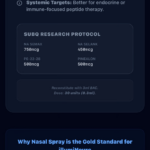
Research Protocol: for subQ
(Better researched for internasal use)
Reconstitute 3ml bac dose is 30 units and will render
Na Semax 750mcg
Na Selank 450mcg
Pe-22-28 500mcg
Pinealon 500mcg
Why This Protocol Works So Powerfully at the Cellular Level
The IllumiNeuro + NeuroMito Protocol is more than a nootropic — it’s a multi-tiered cellular restoration and optimization system, specifically designed to repair, rebuild, and upgrade brain and mitochondrial function at the root level of human performance: the cell.
1. Neurotrophic Activation: Building Better Neurons
• NA Semax Amidate stimulates the production of BDNF (Brain-Derived Neurotrophic Factor) and NGF (Nerve Growth Factor), which are essential for:
• Neuronal growth, branching, and synaptogenesis
• Long-term potentiation (LTP), the cellular basis for memory
• Neural repair after injury or metabolic stress
At the cellular level, this translates to more resilient, more adaptable, and faster-firing neurons.
2. Neurochemical Balance: Harmonizing Signaling Cascades
• NA Selank Amidate modulates GABA, serotonin, and interleukin expression, helping regulate:
• Excitatory/inhibitory balance at the synaptic cleft
• Cytokine-driven inflammation that disrupts neural signaling
• Hypothalamic-pituitary-adrenal (HPA) axis tension
This cellular calming effect protects neurons from overstimulation and maintains electrical signal fidelity under stress.
3. Mitochondrial Defense: Fueling the Engine of Every Cell
• PE 22-28 and SS-31 work synergistically to:
• Preserve mitochondrial membrane potential
• Reduce electron leak and ROS (reactive oxygen species)
• Prevent apoptosis in stressed neurons
• Improve ATP efficiency without increasing oxygen demand
This is critical because neurons demand 20–25% of the body’s energy, and mitochondrial dysfunction is the #1 driver of cellular aging and cognitive decline.
4. Epigenetic Rejuvenation & Circadian Regulation
• Pinealon and NAD+ operate at the genomic level to:
• Reactivate youthful gene expression via histone and DNA demethylation
• Regulate clock genes and promote proper sleep/wake cycles
• Enhance cellular repair enzymes like PARP1 and SIRT1
This results in younger, cleaner, and more synchronized neural cells — with improved regulation of growth, rest, and repair.
5. Metabolic Upgrade & Cellular Flexibility
• MOTS-c activates the AMPK-PGC-1α axis, leading to:
• Enhanced mitochondrial biogenesis
• Improved fatty acid oxidation and glucose utilization
• Greater resistance to metabolic stress and low-glucose environments
Together with NAD+, this gives neurons and glial cells access to sustained energy without metabolic rigidity or inflammation.
What It All Means Clinically
On a cellular level, this protocol:
• Rebuilds neuronal infrastructure with BDNF and NGF
• Prevents synaptic decay and axonal damage under stress
• Shields mitochondria from oxidation and fragmentation
• Repairs DNA and epigenetic drift from age, trauma, or toxins
• Enhances energy production across all brain regions
• Keeps inflammatory cytokines in check, preserving clarity
6. Epitalon Integration: Rewinding the Biological Clock
NA Epitalon directly reinforces and amplifies the effects of Pinealon and NAD+ by targeting the epigenetic and circadian axis at the master regulatory level.
Benefits of adding NA Epitalon:
• Telomerase activation – delays cellular senescence in neurons and glia
• SIRT1 + PARP1 synergy – boosts DNA repair and neuroprotection
• Pineal gland recalibration – supports melatonin balance and sleep-dependent neurogenesis
• Reduces pro-aging gene expression and maintains chromatin stability
• Complements NAD+ and Pinealon → restores youthful epigenetic tone, especially in aging or post-injury brains
On a cellular level, this means neurons replicate more faithfully, recover from damage faster, and resist age-related degeneration longer.
7. Semaglutide Integration: Endocrine Efficiency & Inflammatory Resilience
Semaglutide (a stabilized GLP-1 analog) activates the neuroendocrine-metabolic layer, bridging gut, brain, and immune communication. It works through both central and peripheral receptors to improve energy allocation and mood stability.
Benefits of adding NA Semaglutide:
• Increases central BDNF (complementing Semax) → neuroplasticity and mood elevation
• Enhances insulin sensitivity in the brain → improved glucose utilization by neurons
• Decreases microglial inflammation and oxidative burden
• Regulates appetite and weight without stimulant-induced stress
• Improves HPA axis resilience → smooths cortisol spikes and anxiety reactivity
On a cellular level, Semaglutide helps neurons access clean fuel more efficiently, while reducing inflammatory cytokines and neurotoxic metabolites.
This is full-spectrum cellular optimization — from the nucleus to the mitochondria, from neurotransmission to metabolic regulation.
illumineuro: Cognitive and Neurological Benefits of the Peptide Blend
illumineuro is a nootropic peptide blend that combines four synergistic compounds: N-Acetyl Semax Amidate, N-Acetyl Selank Amidate, PE-22-28, and Pinealon . Each of these peptides offers distinct mechanisms of action and benefits for cognitive function, neuroprotection, and mood. Below is a detailed overview of each component’s actions and benefits, followed by their synergistic effects when combined, as well as dosing insights and safety notes.
N-Acetyl Semax Amidate (NA Semax Amidate)
Semax is a heptapeptide analog of adrenocorticotropic hormone (ACTH(4–10)) originally developed in Russia for its nootropic and neuroprotective properties. The N-acetyl amidate variant is a modified form with an acetylated N-terminus and amidated C-terminus, which significantly improves its stability, blood-brain barrier penetration, and potency compared to regular Semax.
• Mechanism of Action: Semax’s exact mechanism is complex, but it is known to rapidly upregulate brain-derived neurotrophic factor (BDNF) and its receptor TrkB in the hippocampus. This leads to enhanced synaptic plasticity, neurogenesis, and neuronal survival. Semax also activates dopaminergic and serotonergic systems , contributing to its antidepressant- and anxiolytic-like effects in animal models. Additionally, Semax (and Selank) can inhibit enzymes that break down enkephalins (opioid peptides), which might play a role in stress and pain modulation. It may interact with melanocortin receptors as a partial agonist/antagonist, though the clinical significance of this is unclear.
• Cognitive and Neurological Benefits: Semax is renowned as a broad-spectrum nootropic and neuroprotective agent. It has been shown to improve memory, attention, and learning capacity. In healthy volunteers, intranasal Semax (250–1000 µg) improved attention and short-term memory, especially under fatigue. Semax is used medically in Russia for conditions like stroke, transient ischemic attack, cognitive impairment, and optic nerve disorders. In stroke patients, Semax administration was correlated with increased BDNF levels and better early rehabilitation outcomes. By elevating BDNF/TrkB and promoting neurotransmitter balance, Semax supports neuroplasticity, neuron survival, and recovery from brain injury. It also helps attenuate the effects of chronic stress on behaviorand has shown antidepressant and anxiolytic potential in preclinical studies.
• Unique Features of NA Semax Amidate: The N-acetyl Semax amidate analog crosses the blood-brain barrier more easily and is more potent by weight than standard Semax. This means effective results at lower doses. The chemical modifications (N-acetylation and C-terminal amidation) protect the peptide from enzymatic degradation, extending its activity. In practice, NA Semax Amidate delivers the same cognitive and neuroprotective effects as Semax, but with enhanced bioavailability. Notably, Semax is administered intranasally or subcutaneously due to poor oral bioavailability, and the NA Semax form optimizes this delivery.
N-Acetyl Selank Amidate (NA Selank Amidate)
Selank is another heptapeptide developed in Russia, originally derived from the immunomodulatory peptide tuftsin. It is primarily known as an anxiolytic (anti-anxiety) and nootropic peptide. The N-Acetyl Selank Amidate variant has the same amino acid sequence as Selank (an analog of tuftsin with a Pro-Gly-Pro tail) but with an acetylated N-terminus and C-terminal amidation to improve stability and duration. Like Semax, this modification helps it cross into the brain and resist breakdown.
• Mechanism of Action: Selank’s effects are multifaceted. It modulates neurotransmitters and neurotrophic factors: for example, it influences the metabolism of serotonin and can modulate GABAergic activity to promote calmness. Selank also rapidly elevates BDNF expression in the hippocampus (similar to Semax), which may underlie its nootropic and antidepressant properties. Uniquely, Selank has immunomodulatory effects: it alters the expression of interleukin-6 and balances T-helper cell cytokines, reflecting its tuftsin heritage. Both Selank and Semax inhibit enkephalin-degrading enzymes, which might enhance endogenous opioid levels and contribute to stress reduction and pain relief. Overall, Selank acts on BDNF, opioid, serotonergic, and GABAergic pathways in the CNS, resulting in anxiolytic and cognitive benefits.
• Mood-Related and Cognitive Benefits: Selank is best known for its anti-anxiety and stress-reducing effects. In clinical trials, Selank produced a sustained anxiolytic effect helpful in generalized anxiety disorder, without sedative side effects or addiction potential. Users experience reduced stress, less anxiety, and improved mood stability. Importantly, Selank does not cause sedation or cognitive impairment (unlike benzodiazepines), so it can impart a sense of calm focus. It has also shown antidepressant-like activity in animal models of depression and anhedonia. On the cognitive side, Selank’s ability to lower anxiety translates into better cognitive function under stress; it has been noted to improve memory retention in animal studies, especially in subjects with anxiety-related cognitive deficits. Thus, Selank is considered a nootropic as well, likely via reducing inhibitory effects of stress on the brain and via its BDNF upregulation.
• Unique Features of NA Selank Amidate: The N-acetyl amidate version of Selank is designed for enhanced stability and bioavailability. Selank itself already includes a Pro-Gly-Pro extension to help it penetrate the blood-brain barrier; the NA Selank Amidate adds an N-terminal acetyl group and C-terminal amide, further protecting it from enzymatic degradation. Functionally, NA Selank Amidate is believed to have comparable anxiolytic and nootropic effects as regular Selank, but possibly longer-lasting. Like Selank, it passes into the CNS and interacts with BDNF and multiple neurotransmitter systems (opioid, serotonin, GABA) to relieve anxiety and improve cognition. In short, this enhanced analog provides a prolonged anti-anxiety effect with cognitive benefits, making it well-suited for sustaining calm focus throughout the day
PE-22-28 Peptide
PE-22-28 is a synthetic neuropeptide fragment known for its potent mood-elevating, neurotrophic, and neuroprotective effects. It was originally derived from research on depression: PE-22-28 is the shortest active fragment of a peptide called spadin (itself derived from a larger protein), and it emerged as a highly effective antagonist of the TREK-1 potassium channel – a target implicated in depression. Additionally, PE-22-28 acts as a mimetic of BDNF, meaning it can directly stimulate TrkB receptors, much like the brain’s own BDNF, to promote neuronal growth and survival.
• Mechanisms of Action:
PE-22-28 has dual notable mechanisms:
• It is a TrkB receptor agonist (BDNF mimetic). PE-22-28 binds to TrkB and activates the same intracellular pathways as BDNF. This triggers pro-survival and pro-plasticity signaling cascades: e.g. the PI3K/Akt pathway (promotes cell survival and anti-apoptosis), MAPK/ERK pathway (enhances synaptic plasticity, LTP, and memory formation), and PLC-γ pathway (modulates calcium signaling and neurogenesis). In essence, PE-22-28 “tricks” the brain into thinking it has an infusion of BDNF, but in a much more bioavailable form than administering BDNF itself.
• It is a potent TREK-1 channel inhibitor. TREK-1 is a two-pore domain potassium channel involved in regulating neuron excitability and linked to depression (antidepressant drugs and ECT have been shown to reduce TREK-1 activity). PE-22-28 blocks TREK-1 with extremely high potency (IC_50 ≈ 0.12 nM), more potent than even the parent spadin peptide. By blocking this K^+ channel, PE-22-28 can increase neuronal firing and produce rapid antidepressant effects. Notably, blocking TREK-1 has been associated with swift onset of antidepressant action in research. This mechanism complements the TrkB activation, as both lead to enhanced neurochemical environment for mood improvement.
Through these mechanisms, PE-22-28 markedly improves neuroplasticity, stress adaptation, and neuron survival. In rodent studies, PE-22-28 increased hippocampal neurogenesis and reduced post-stroke cognitive and motor deficits, highlighting its neurorestorative potential.
• Benefits for Mood, Cognition, and Neuroprotection: PE-22-28 is showing promise as a fast-acting mood enhancer and cognitive booster:
• Antidepressant and Mood Regulation: PE-22-28 produces rapid and sustained antidepressant-like effects without sedation. Some research suggests it may induce positive mood changes within days – much faster than traditional antidepressants. By amplifying BDNF/TrkB signaling, it enhances emotional resilience and stress coping. Early data show reductions in depressive behaviors in animal models and anecdotal reports of improved mood in days. It also helps regulate the HPA axis, thereby dampening stress responses and reducing anxiety levels in a non-sedating way .
• Cognitive Enhancement: By boosting neurotrophic support and synaptic plasticity, PE-22-28 can improve cognitive functions. Users and preclinical models have shown better mental clarity, focus, and short-term memory during PE-22-28 therapy. These effects likely stem from increased synaptic connectivity and neurogenesis in brain regions critical for learning and memory.
• Neuroprotective and Neurogenic Effects: PE-22-28 promotes neuron survival and repair. It activates cell survival pathways (like PI3K/Akt) that inhibit apoptosis (cell death) in neurons. For instance, in models of ischemic brain injury and neurodegeneration, PE-22-28 helped reduce neuronal loss and inflammation. It has been reported to protect brain cells from oxidative stress and trauma, potentially aiding recovery from traumatic brain injury or stroke. Indeed, blocking TREK-1 and activating TrkB both confer resistance to ischemic damage: research showed PE-22-28 reduced stroke-induced deficits and even preserved pancreatic beta-cells in diabetic models by activating CREB (a neuroprotective transcription factor).
• Additional Benefits: There are indications that PE-22-28 may normalize circadian rhythms and improve sleep quality, particularly in stress-related insomnia. By stabilizing mood circuits, it might also help in addiction recovery, reducing cravings and aiding brain healing during withdrawal. Overall, PE-22-28’s profile is that of a multifunctional neuropeptide: it uplifts mood, calms anxiety, sharpens cognition, and shields the brain from injury and stress.
Pinealon
Pinealon is a very short peptide (just three amino acids: Glu-Asp-Arg) classified as a peptide bioregulator. It was derived from research on pineal gland extracts and nootropic brain peptides (it is also known as the EDR peptide). Despite its small size, Pinealon has remarkable cell-penetrating abilities and can influence gene expression directly. It is primarily used for neuroprotection, cognitive enhancement, mood stabilization, and anti-aging purposes.
• Mechanism of Action: Pinealon’s mechanism is distinct from the receptor-mediated actions of the other peptides. Because it’s so small, Pinealon can cross cell membranes and even enter the cell nucleus directly. Research suggests Pinealon binds to DNA or chromatin, modulating the expression of genes related to neuronal function and cell survival. In effect, Pinealon acts as a gene expression modulator, turning on protective and regenerative pathways:
• It has been shown to activate the MAPK/ERK pathway inside cells, which is crucial for cell growth, differentiation, and removal of damaged cells. This can support brain cell repair and regeneration.
• Pinealon influences pro-apoptotic and anti-apoptotic factors: for example, it downregulates caspase-3 (a key executioner enzyme in apoptosis) under stress conditions. By reducing excessive caspase-3 activity, Pinealon can prevent unwarranted cell death in neurons and other tissues (observed in models of stroke, heart attack, and even skin cells). It also modulates p53, a protein involved in cell cycle and tumor suppression, indicating a broad role in cell survival pathways.
• Pinealon boosts expression of antioxidant proteins, thereby reducing reactive oxygen species (ROS) accumulation in cells. Studies in rat brains show Pinealon markedly lowers oxidative stress markers and neuron necrosis during hypoxia, implying strong neuroprotection against free-radical damage.
• Additionally, Pinealon is linked to the regulation of circadian rhythm and pineal gland function. It likely interacts with the pineal gland to normalize melatonin release and the sleep-wake cycle. By restoring proper pineal activity, Pinealon can improve sleep patterns and the body’s adaptation to stress (disrupted circadian rhythms are known to worsen cognitive and mood disorders).
• Interesting research also found Pinealon can increase levels of irisin in the brain. Irisin is a hormone-like peptide that promotes neurogenesis and energy metabolism. This suggests Pinealon may encourage brain repair and metabolism in ways similar to exercise.
• Cognitive, Neurological, and Mood Benefits: Pinealon’s broad genomic effects translate into several benefits:
• Neuroprotection and Anti-Aging: Pinealon helps protect neurons under harmful conditions like oxidative stress, ischemia (low oxygen), and toxin exposure. In animal studies, Pinealon pretreatment reduced brain cell death and improved motor coordination in newborn rats subjected to prenatal hypoxia. It also preserved cognitive function and cell viability in models of neurodegeneration. Because it can reduce cumulative oxidative damage and support DNA repair/telomere maintenance (as suggested by Khavinson et al.), Pinealon is considered a geroprotective agent that may slow brain aging. Over weeks to months of use, it may lower the risk or progression of age-related cognitive decline.
• Cognitive Enhancement: Pinealon is reported to improve memory, learning, and mental clarity, particularly in contexts of age-related impairment or stress. For instance, trials mentioned improvements in memory performance in a significant portion of subjects and even restoration of neuronal dendritic structures in neurodegenerative models. Users typically notice reduced “brain fog,” better focus and cognitive vigor within a couple of weeks. These effects become more pronounced after 4–6 weeks, with significantly improved memory recall and overall cognitive function.
Pinealon’s cognitive boost likely stems from enhanced neuronal protein synthesis and reduced inhibitory signals from oxidative stress.
• Mood and Stress Resilience: By modulating neurotransmitter levels and circadian rhythms, Pinealon can have a stabilizing effect on mood. Within the first weeks, many notice improvements in mood and stress resilience. It has been suggested for individuals with anxiety or depressive symptoms, as Pinealon may help normalize neurotransmitter balance (some sources note it can regulate monoamines and even act on GABA/serotonin systems akin to Selank). Pinealon’s anti-stress effects were evident in studies where it restored psychoemotional indices and reduced the impact of work stress and fatigue. Unlike acute anxiolytics, Pinealon’s mood benefits accrue over time through strengthening the brain’s adaptive capacity (e.g., improving sleep, lowering oxidative damage, and balancing immune stress responses).
• Sleep Regulation: Given its action on the pineal gland, Pinealon often improves sleep quality and can correct disordered sleep cycles. This not only enhances nightly rest but also indirectly boosts cognitive and emotional health (as better sleep correlates with better memory consolidation and mood). Pinealon’s ability to re-establish normal circadian rhythm can be particularly useful for individuals with insomnia related to stress, aging, or shift work.
In summary, Pinealon serves as a cellular guardian—promoting antioxidant defenses, preventing stress-induced cell loss, and optimizing gene functions related to brain health. Its benefits emerge gradually but can be far-reaching: users gain sharper cognition, steadier mood, healthier sleep, and potentially a slowing of neurodegenerative processes.
Synergistic Effects of the Illumineuro Blend
When combined in the Illumineuro blend, these four peptides are intended to complement each other’s actions and provide a comprehensive cognitive and neurological enhancement. The synergy arises because each component targets different but overlapping pathways for brain health:
• Enhanced Neuroplasticity and Neurotrophic Support: Semax, Selank, and PE-22-28 all converge on boosting BDNF-mediated pathways. Semax and Selank both increase BDNF expression in the brain, setting the stage for neuronal growth and plasticity. PE-22-28 then directly agonizes TrkB receptors to amplify downstream pro-plasticity signals. Together, this combination can significantly upregulate neurotrophic support, fostering new neural connections and repair. In practical terms, this synergy may translate to improved learning capacity, faster recovery from brain injuries or stress, and greater cognitive reserve. The blend effectively provides both upstream (production of BDNF) and downstream (TrkB activation) stimulation of the brain’s growth factor pathways.
• Comprehensive Cognitive Enhancement: Each peptide contributes to cognition in a unique way, yielding a broad nootropic effect when combined:
• Semax primarily sharpens focus, memory, and mental stamina, even under fatigue .
• Selank reduces performance-impairing anxiety, providing a sense of calm that allows the mind to work optimally under pressure. Users often describe the Semax–Selank combo as “calm focus” – Semax drives concentration and alertness while Selank curbs jitters and stress .
• PE-22-28 may add a layer of clarity and mood-driven motivation, as improved mood and BDNF signaling can enhance motivation and executive function .
• Pinealon, over longer term, clears oxidative brain fog and improves overall mental energy and memory consolidation, reinforcing the cognitive gains from the other peptides.
In synergy, one might experience more immediate cognitive boosts (from Semax/Selank/PE-22-28) alongside a sustained cognitive improvement and brain “refresh” over weeks (from Pinealon’s genomic effects). Difficult mental tasks could feel easier due to better focus, lower anxiety, and brain cells that are healthier and more plastic.
• Mood, Anxiety, and Stress: Multi-Pathway Stabilization: Illumineuro’s components collectively address multiple aspects of mood regulation:
• Anxiolysis and Stress Reduction: Selank is a potent anxiolytic, acutely reducing anxiety without sedation. Semax has anti-stress and mild anxiolytic properties too (observed in animal stress models). Pinealon improves stress resilience by normalizing stress hormone cycles and reducing oxidative stress responses. Meanwhile, PE-22-28 helps moderate the HPA axis and lowers overactive stress responses. Together, these peptides provide a strong buffer against stress: Selank and Semax handle the neurotransmitter side of anxiety/stress, PE-22-28 adds rapid antidepressant stress resilience, and Pinealon addresses the longer-term physiological stress burden (sleep, oxidative damage). Users of the combined blend may experience greater emotional balance, reduced feelings of anxiety, and better stress coping than with any single peptide alone.
• Antidepressant and Mood Elevation: Semax and Selank both have antidepressant-like effects (e.g., improving symptoms in chronic stress and depression models), likely via increasing monoamines and BDNF. PE-22-28 directly targets depression pathways, offering a potentially rapid lift in mood and hedonic capacity. Pinealon contributes by improving sleep and circadian alignment, which often lifts mood, and possibly by modulating neurotransmitters involved in mood disorders. The synergy here means the blend can tackle depression from multiple angles: immediate neurotransmitter enhancement (Semax/Selank), fast neurotrophic/TrkB activation (PE-22-28), and foundational optimization of brain health and hormones (Pinealon).
This comprehensive approach may yield a more robust antidepressant effect and mood stability, with fewer side effects, than conventional therapies .
• Overall Well-Being: Many of these peptides individually improve aspects of well-being such as energy, motivation, and sleep. Combined, users often report higher day-to-day mental energy and better sleep at night, leading to a positive feedback loop for mood and cognition. For example, Semax’s use by astronauts and athletes to fight fatigue and burnout, paired with Pinealon’s fatigue reduction over weeks , suggests the blend can maintain performance during the day and recovery during the night.
• Neuroprotection and Recovery: Illumineuro is also designed for neuroprotective synergy:
• Semax is neuroprotective in acute injury (e.g. reducing damage after stroke or TBI).
• PE-22-28 reduces neuronal apoptosis and aids recovery in ischemia and trauma models .
• Pinealon directly shields neurons by reducing oxidative and excitotoxic damage, and by preventing needless apoptosis.
• Selank, while less directly cytoprotective, indirectly helps by reducing chronic stress-related neurodegeneration (since stress hormones and inflammation can harm the brain, Selank’s immune-cytokine modulation and anxiolysis have a protective effect ).
Thus, the blend covers both immediate and long-term neuroprotection: e.g., if someone had a concussive injury or ischemic insult, Semax and PE-22-28 may acutely limit damage and kick-start repair, while Pinealon supports sustained recovery and regeneration of neural tissue. Even in the absence of injury, the peptides work together to keep neurons healthy: lowering oxidative stress, increasing neurotrophins, and maintaining synaptic health. This could be especially beneficial for aging individuals or those with neurodegenerative risk, as the combined peptides may slow cognitive decline and protect brain structure.
In essence, illumineuro’s components are complementary: Semax and Selank provide immediate cognitive and mood benefits (focus + calm), PE-22-28 adds a powerful mood lift and neuroplastic boost, and Pinealon provides the foundation for cellular health and longevity. The result is a synergy where cognitive enhancement, emotional well-being, and neuroprotection are all addressed simultaneously. Each peptide amplifies the others’ positive effects – for example, increased BDNF from Semax/Selank can enhance PE-22-28’s neurogenic action, while Pinealon’s safeguarding of neurons allows the other peptides’ functional enhancements to manifest optimally. The blend aims to create an optimal neurochemical environment for peak mental performance and resilience.
Safety and Side Notes: Overall, each of Illumineuro’s components has shown a favorable safety profile in research contexts, especially when used at reasonable dosages. However, because these are investigational compounds, certain precautions are noted:
• Semax: Decades of clinical use in Russia indicate that Semax is well-tolerated with minimal adverse effects . It is non-addictive and non-toxic even with long-term use. Common side effects are mild and related to the intranasal route – e.g. nasal irritation or transient burning, runny nose, or slight headache, particularly at higher doses . A few users report feeling overstimulated or restless if Semax is taken late in the day or at high dose (due to dopaminergic activation) . These effects are usually temporary and resolve with dose adjustment. Importantly, Semax does not typically cause blood pressure spikes or serious systemic effects, though those with uncontrolled hypertension should use caution as a rare increase in blood pressure has been noted at high doses . There are no known significant drug interactions, but theoretical caution is advised if combined with SSRIs or stimulants (due to overlapping monoamine effects) . Overall, Semax’s safety in clinical trials has been excellent, with no serious adverse events reported even in vulnerable patients .
• Selank: Selank is similarly regarded as safe and non-sedating. It has been approved in Russia for anxiety, with no significant side effects recorded. The most common complaints are local: nasal dryness or slight throat irritation from the spray/drops . It does not cause dependency or withdrawal symptoms . Selank’s immunomodulatory effects are generally beneficial (e.g. reducing elevated IL-6 in stress), but those with autoimmune conditions should consult a physician as a precaution. Selank has no known contraindications except active severe infections might be a theoretical concern (since it modulates immune responses). In practice, it’s considered very safe for short-term and intermittent long-term use.
• PE-22-28: As a newer peptide, formal safety data are limited. Available reports suggest that PE-22-28 is well-tolerated; it tends not to cause the sedation, weight gain, or sexual side effects associated with many antidepressants . Because it can lower stress reactivity, some users experience a calm, positive mood without noticeable side effects. Standard peptide injection site reactions (redness, small bruise, or itch at injection site) can occur. In theory, excessive TrkB activation could possibly lead to overexcitation, but this hasn’t been observed at proper doses – on the contrary, it appears to normalize neural activity. As it is processed via normal peptide degradation pathways, there’s low risk of organ toxicity. Nevertheless, PE-22-28 remains investigational; it should be used under medical supervision when possible. Researchers are monitoring its long-term effects, and so far, findings like improved neurogenesis and reduced post-stroke deficits with no overt toxicity are encouraging.
• Pinealon: Pinealon is generally seen as safe in short-term studies. It doesn’t trigger immune reactions (owing to its tiny size) and is quickly metabolized into natural amino acids. Users have not commonly reported significant side effects; some might notice improved sleep and vivid dreams as a “side effect” of the circadian normalization. Because Pinealon influences cell-cycle regulation, it is contraindicated in individuals with active cancer or a high risk of cancer . The reason is that while Pinealon can promote the death of damaged cells (which is normally anti-cancer), any agent that affects apoptosis pathways could theoretically have unpredictable effects on tumor biology. Until more research is done, those with malignancies should avoid Pinealon. Additionally, as with most supplements, pregnant or breastfeeding women should avoid Pinealon due to lack of safety data in that population.
Otherwise, Pinealon’s safety in healthy and aging individuals appears strong, with its benefits (antioxidant, metabolic support) likely contributing to overall wellness.
In summary, Illumineuro’s blend is crafted to maximize cognitive and mood benefits while maintaining a good safety profile. Each component has demonstrated benefits like memory enhancement, anxiety reduction, mood improvement, and neuronal protection in research, and their combination covers virtually all bases of brain health – from neurotransmitters and neurotrophins to gene regulation and oxidative stress control. Users (or researchers) exploring this peptide blend should do so responsibly: start with conservative dosing, keep courses time-limited (with breaks) as used in clinical settings, and monitor subjective and objective responses. With proper use, the Illumineuro peptide stack could offer a uniquely holistic enhancement of cognition, mood, and neural resilience, leveraging cutting-edge peptide science for improved neurological function.
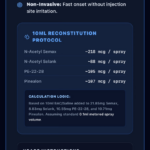
🧠 Nasal Spray — Most Aligned With Intended Peptide Action
Pros
- Fast CNS access: Nasal mucosa drains toward the olfactory/trigeminal pathways, giving peptides a more direct route to the brain than most peripheral routes.
- Non-invasive & user-friendly: Easy self-administration.
- Avoids first-pass metabolism: Good for peptides that would otherwise degrade in the gut/liver.
- Common route for neuropeptides: Both Semax and Selank were originally studied and optimized as nasal sprays in the Russian literature.
Cons
- Lower total systemic bioavailability than injection — but that’s usually okay (or desirable) for CNS-targeted peptides.
- Formulation-dependent: pH, excipients, preservatives, and spray device quality matter a lot here.
Bottom line: If your main goal is rapid modulation of cognition, mood, stress response, attention, and neuroadaptive signaling, nasal spray is generally more effective for these peptide classes than subQ.
💉 Subcutaneous Injection — More Predictable & Sustained
Pros
- Higher systemic exposure: Near-complete absorption into circulation.
- More consistent dosing: Once-daily or scheduled dosing with high precision.
- Better for systemic peptides: Great for peptides intended for metabolic, endocrine, or immune targets.
Cons
- Less direct to CNS: Once in systemic circulation, relatively little crosses the blood–brain barrier, especially for larger peptides.
- Invasive: Requires discipline, sterile technique, injection supplies, and carries risk of site irritation.
Bottom line: SubQ may give you stronger peripheral exposure, but that doesn’t necessarily translate to better brain effect for neuroactive peptides. It’s more relevant if you want systemic actions (e.g., metabolic signaling).
🧠 So for IllumiNeuro specifically…
Because this stack is designed around central neuroadaptive peptides:
✅ Nasal Spray is usually better for:
- Cognitive enhancement
- Stress resilience / anxiolytic effects
- Attention, memory, mood modulation
❌ SubQ generally isn’t ideal for these particular peptides if your aim is direct CNS action.
The exception would be if you want peripheral levels high enough for off-target systemic effects, but that’s rarely the primary goal for this stack.
Practical Guidance (targeted to your goals)
Use nasal spray if:
- Your priority is brain-first effects (focus, cognition, mood)
- You want quick onset
- You want a user-friendly mode
Consider subQ only if:
- You’re targeting systemic modulation that requires high circulating levels
- You have formulation stability and sterile technique handled
- You’re tracking clinical labs or physiological endpoints beyond CNS
Safety & Formulation Notes
- Ensure sterility, good pH buffering, and compatible excipients for nasal use.
- Avoid preservatives that damage mucosa.
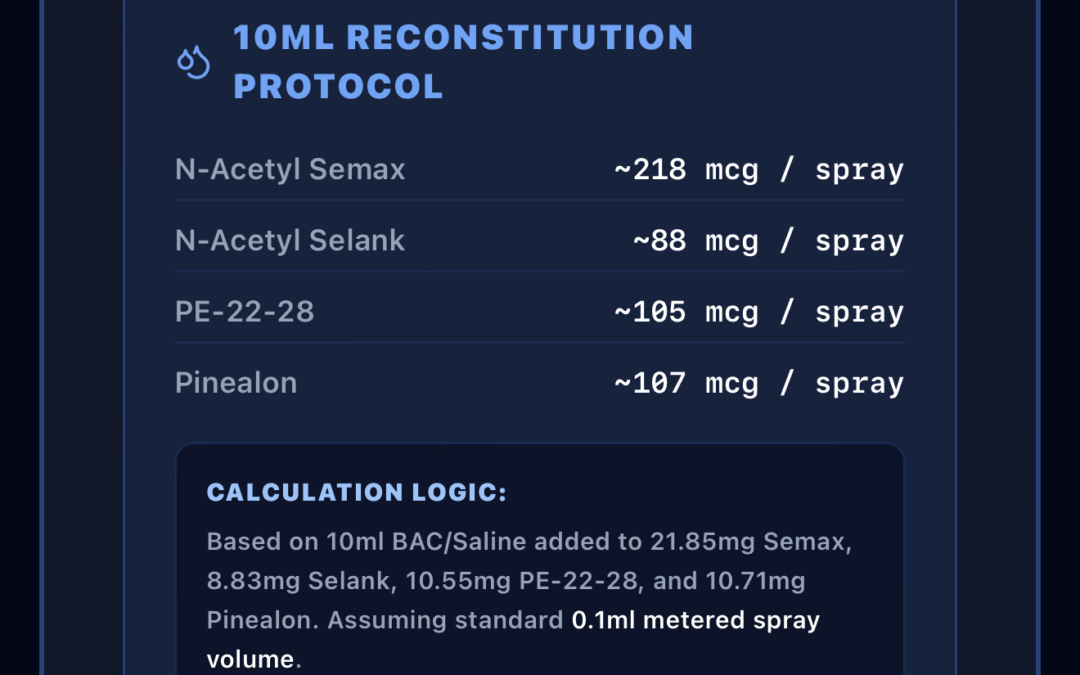
- Dosing volumes matter — typically small metered spray volumes (e.g., 50–100 µL per nostril).
- Track effects and tolerability; nasal irritation or sneezing can impact absorption.
Summary
For IllumiNeuro’s primary neuroactive peptides, nasal spray delivery is typically the most effective and efficient method to target the brain. Subcutaneous injection increases systemic exposure but doesn’t confer any proven advantage for CNS targets here, and adds logistical complexity.